DNN Hosting Costs vs WordPress Hosting
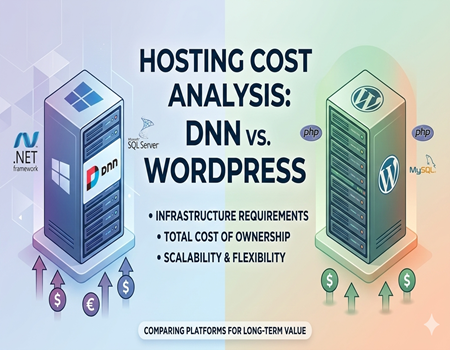
Choosing the right hosting environment is an important decision for any website. Hosting directly affects website performance, security, scalability, and long-term operational costs. Businesses that run enterprise websites or large digital platforms often compare different hosting options to find a solution that balances performance with affordability.
Two platforms that are commonly compared are DNN (DotNetNuke) and WordPress. Both are content management systems used to build websites, portals, and digital applications. However, their hosting requirements are very different, which significantly affects the overall cost of maintaining the platform.
DNN is built on the Microsoft .NET framework and usually requires Windows-based hosting with SQL Server databases. These technical requirements often lead to higher infrastructure and licensing costs. Businesses using DNN portals may also need dedicated servers or specialized hosting environments to maintain performance and stability.
WordPress, on the other hand, operates on a PHP and MySQL environment and is compatible with a wide range of hosting providers. Because of this flexibility, WordPress hosting options are widely available and generally more affordable. From shared hosting to advanced cloud infrastructure, businesses have many choices when hosting WordPress websites.
As companies evaluate long-term digital costs, hosting becomes a major factor in platform selection. Due to the flexibility and lower infrastructure expenses, many organizations eventually decide to Migrate Website from DotNetNuke To WordPress to reduce hosting costs and simplify website management.
Understanding DNN Hosting Requirements
DNN (DotNetNuke) is built on the Microsoft .NET framework, which means it requires a specific hosting environment to run properly. Unlike many open-source content management systems, DNN is designed to operate within Microsoft technologies. Because of this dependency, businesses must choose hosting solutions that support Windows servers and related infrastructure.
Infrastructure Needed for DNN
DNN portals typically require a Windows-based server environment. These servers support the ASP.NET framework that powers the platform. In addition to the operating system requirement, DNN websites also rely on Microsoft SQL Server databases to store content, user data, and portal configurations.
This combination of Windows Server and SQL Server makes the hosting setup more specialized. While it offers stability and strong enterprise capabilities, it also increases infrastructure complexity compared to platforms that run on more flexible environments.
Typical DNN Hosting Environment
Many businesses hosting DNN portals use VPS, dedicated servers, or enterprise-grade hosting solutions. Shared hosting options for DNN are limited because the platform often requires more server resources and custom configurations. For large enterprise portals, organizations usually rely on powerful hosting environments to maintain performance and handle heavy traffic.
These hosting setups may include dedicated infrastructure, advanced security configurations, and ongoing server management. While these environments provide reliability, they also contribute to higher hosting costs over time.
Why DNN Hosting Can Become Expensive
One of the main reasons DNN hosting becomes expensive is the requirement for Windows-based infrastructure. Windows hosting plans generally cost more than Linux hosting solutions. In addition, SQL Server licensing and server management expenses can increase the total cost of maintaining the platform.
Because of these higher infrastructure requirements, many organizations eventually explore alternative platforms with more flexible hosting options. In many cases, businesses decide to Migrate Website from DotNetNuke To WordPress to reduce hosting expenses and simplify server management.
Understanding WordPress Hosting Requirements
WordPress is one of the most widely used content management systems in the world, partly because of its flexible hosting requirements. Unlike DNN, WordPress runs on a PHP and MySQL environment, which is supported by most web hosting providers. This flexibility allows businesses to choose from many affordable hosting solutions.
Basic Infrastructure for WordPress
WordPress websites typically run on Linux servers with PHP and MySQL databases. These technologies are widely available and supported by almost every hosting provider. Because the infrastructure requirements are simple, setting up a WordPress website is usually faster and more cost-effective compared to platforms that depend on specialized environments.
Another advantage is that WordPress does not require expensive software licensing. Since it is an open-source platform, businesses can install and manage WordPress without paying licensing fees. This reduces the overall cost of maintaining a website, especially for small and medium-sized organizations.
Types of WordPress Hosting
WordPress offers several hosting options depending on the size and traffic of the website. Small websites often start with shared hosting, which is affordable and easy to manage. As the website grows, businesses can upgrade to VPS hosting or cloud hosting for better performance and scalability.
Many hosting providers also offer managed WordPress hosting. In these plans, the hosting company handles updates, security, backups, and performance optimization. This allows businesses to focus on content and growth rather than technical server management.
Why WordPress Hosting Is More Affordable
Because WordPress works on a wide range of servers and hosting providers, businesses have more pricing options. Competition among hosting companies also helps keep prices lower. As a result, many organizations find WordPress hosting significantly more affordable than specialized hosting environments.
Due to these cost advantages, many businesses eventually decide to Migrate Website from DotNetNuke To WordPress to benefit from flexible hosting choices and lower long-term infrastructure costs.
DNN Hosting Cost Breakdown
Hosting a DNN portal often involves higher infrastructure costs compared to many other content management systems. Because the platform runs on the Microsoft .NET framework, it requires specific technologies such as Windows servers and SQL Server databases. These requirements can increase both the initial setup cost and the long-term expenses of maintaining the hosting environment.
Server and Infrastructure Costs
DNN websites typically require Windows-based hosting environments, which are generally more expensive than Linux hosting solutions. Hosting providers charge higher fees for Windows servers because of licensing costs and server management requirements. As a result, businesses running DNN portals often spend more on hosting infrastructure.
Another factor that adds to the cost is the use of Microsoft SQL Server. Unlike many open-source database systems, SQL Server may involve licensing fees depending on the hosting setup. These database costs can significantly increase the overall hosting budget for enterprise portals.
Maintenance and Development Costs
In addition to infrastructure expenses, maintaining a DNN portal can also involve higher development costs. Since DNN is based on the .NET framework, organizations usually need experienced .NET developers to manage updates, custom modules, and technical configurations.
Hiring specialized developers or maintaining an in-house technical team can increase operational expenses. Regular updates, module compatibility checks, and server maintenance require technical expertise that may not be easily available in every organization.
Enterprise Hosting Expenses
Many enterprise-level DNN portals run on dedicated servers or advanced VPS environments to handle large amounts of traffic and data. These powerful hosting setups provide better performance and security but also increase monthly hosting costs.
Over time, these infrastructure, licensing, and development expenses can make DNN hosting quite costly for businesses. As organizations evaluate their long-term digital budgets, many start looking for platforms with more flexible hosting options. In many cases, companies decide to Migrate Website from DotNetNuke To WordPress to reduce hosting costs while maintaining a scalable and reliable website environment.
WordPress Hosting Cost Breakdown
WordPress hosting is generally more affordable and flexible compared to many enterprise CMS platforms. Because WordPress runs on common technologies like PHP and MySQL, businesses can choose from a wide variety of hosting providers. This competitive hosting ecosystem allows companies to select plans that match their budget, website size, and performance requirements.
Entry-Level Hosting Costs
For small websites or new projects, WordPress can run easily on shared hosting plans. Shared hosting is one of the most affordable hosting options because multiple websites share the same server resources. Many hosting providers offer WordPress-compatible shared hosting at low monthly costs.
These plans usually include basic features such as automatic WordPress installation, email accounts, and website backups. For startups and small businesses, shared hosting provides a cost-effective way to launch and manage a WordPress website without investing heavily in infrastructure.
Managed WordPress Hosting Pricing
As websites grow and attract more traffic, businesses often move to managed WordPress hosting. In this type of hosting, the provider handles important technical tasks such as security monitoring, automatic updates, performance optimization, and backups.
Managed hosting plans are slightly more expensive than shared hosting but offer better reliability and faster performance. For companies that do not want to manage servers or technical configurations, managed WordPress hosting provides a convenient and scalable solution.
Scaling Costs for High-Traffic Websites
Large businesses and enterprise websites often require advanced hosting environments to handle high traffic volumes. WordPress supports VPS hosting, cloud hosting, and dedicated servers that can scale based on website demand.
Cloud hosting solutions allow businesses to increase server resources during traffic spikes without permanent infrastructure upgrades. This flexibility helps organizations manage hosting costs efficiently while maintaining website performance.
Because WordPress offers many affordable hosting options, businesses can optimize their infrastructure costs more easily. For this reason, many organizations eventually decide to Migrate Website from DotNetNuke To WordPress to benefit from flexible hosting plans and lower long-term operational expenses.
Key Cost Differences Between DNN and WordPress Hosting
When businesses compare DNN hosting costs with WordPress hosting, the difference often becomes clear in infrastructure requirements, development expenses, and long-term maintenance costs. Both platforms can support enterprise websites, but the total cost of ownership varies significantly due to the technologies and ecosystems behind them.
Infrastructure Cost Comparison
DNN typically requires Windows-based hosting along with Microsoft SQL Server databases. These technologies often involve licensing costs and higher hosting fees. Windows servers are generally more expensive than Linux-based hosting environments, which increases the monthly infrastructure expenses for businesses running DNN portals.
WordPress, on the other hand, works on Linux servers with PHP and MySQL databases. These technologies are open source and widely supported by hosting providers. Because of this, WordPress hosting plans are usually more affordable and available in many pricing options across different providers.
Development and Maintenance Costs
Maintaining a DNN portal usually requires developers who are experienced with the .NET framework. Since .NET specialists are more specialized, development and maintenance costs can become higher for organizations using DNN.
WordPress has a much larger global developer community. Many developers are familiar with WordPress themes, plugins, and customization. This wider availability of developers makes maintenance easier and often more affordable for businesses.
Scalability and Upgrade Expenses
As websites grow, hosting environments need to scale to handle increased traffic and data. DNN portals often require dedicated servers or enterprise-level hosting setups to maintain performance. These upgrades can significantly increase infrastructure costs over time.
WordPress offers flexible scaling options through VPS hosting, cloud hosting, and managed hosting solutions. Businesses can upgrade resources gradually without major infrastructure changes, which helps control long-term hosting expenses.
Total Cost of Ownership
When companies evaluate the total cost of running a website, hosting infrastructure, development, and maintenance all play important roles. DNN environments may offer strong enterprise capabilities, but they often involve higher operational costs.
WordPress typically provides a more cost-effective solution with flexible hosting choices and a large ecosystem of tools. Because of these advantages, many businesses eventually choose to Migrate Website from DotNetNuke To WordPress to reduce costs while maintaining performance and scalability.
Performance and Hosting Flexibility Comparison
When comparing DNN hosting and WordPress hosting, performance and flexibility are important factors to consider. Businesses want hosting environments that deliver fast loading speeds, reliable uptime, and the ability to scale as website traffic grows. The platform’s compatibility with different hosting technologies can significantly impact these aspects.
Server Compatibility
DNN portals typically run on Windows servers because they depend on the Microsoft .NET framework. This limits the number of hosting providers that can support the platform efficiently. Businesses often need specialized Windows hosting environments, which can reduce flexibility when choosing hosting providers.
WordPress, in contrast, is compatible with Linux-based servers that are widely used across the hosting industry. Because of this compatibility, businesses can choose from thousands of hosting providers worldwide. This flexibility makes it easier to find hosting plans that fit different performance needs and budgets.
Speed Optimization Options
Website performance is strongly influenced by hosting infrastructure and optimization tools. DNN portals can deliver good performance, but optimization often requires experienced developers and customized server configurations.
WordPress offers many built-in advantages for speed optimization. There are numerous plugins available for caching, image optimization, and database performance improvements. These tools make it easier for businesses to enhance website speed without complex technical changes.
CDN and Cloud Integration
Modern websites often rely on Content Delivery Networks (CDNs) and cloud hosting solutions to improve performance globally. WordPress integrates easily with most CDN providers and cloud platforms, allowing websites to load quickly for users in different locations.
DNN portals can also integrate with CDN services, but the setup process may require more technical configuration. Because WordPress offers greater flexibility and easier optimization tools, many organizations eventually choose to Migrate Website from DotNetNuke To WordPress to improve hosting performance and reduce infrastructure complexity.
When Businesses Should Consider Moving from DNN to WordPress
Many organizations start with DNN because it offers strong enterprise capabilities and integration with Microsoft technologies. However, as digital needs grow and operational costs increase, businesses often begin evaluating whether their current platform still meets their long-term goals. In many cases, hosting expenses become one of the main reasons companies consider switching platforms.
Signs Your DNN Hosting Costs Are Too High
One clear sign that a business should reconsider its platform is consistently rising hosting and infrastructure costs. DNN portals often require Windows servers, SQL Server databases, and specialized hosting environments. Over time, these requirements can increase monthly hosting expenses and make the platform costly to maintain.
In addition to hosting costs, businesses may also face higher development expenses when maintaining DNN portals. Custom modules, updates, and server management often require .NET expertise, which can further increase operational costs.
Need for Flexible Hosting and Scalability
Modern businesses need platforms that can scale easily as traffic grows or digital services expand. If a DNN portal requires constant infrastructure upgrades or expensive hosting environments to handle traffic, it may indicate that the platform is no longer the most efficient solution.
WordPress offers more flexible hosting options, including shared hosting, VPS hosting, and scalable cloud infrastructure. This flexibility allows businesses to adjust resources based on their needs without major infrastructure investments.
Because of these advantages, many organizations decide to Migrate Website from DotNetNuke To WordPress to reduce hosting costs, simplify website management, and create a more scalable digital platform for future growth.
Cost Benefits of Migrating from DNN to WordPress
For many businesses, migrating from DNN to WordPress is not only a technical decision but also a financial one. Organizations often evaluate the long-term operational costs of maintaining their websites, including hosting, development, and ongoing maintenance. In many cases, WordPress provides a more cost-effective environment for managing digital platforms.
Lower Hosting Costs
One of the biggest financial advantages of WordPress is its flexible and affordable hosting options. Since WordPress works on Linux servers with PHP and MySQL, businesses can choose from many hosting providers offering competitive pricing. This flexibility allows companies to select hosting plans that match their budget and performance needs.
DNN, on the other hand, typically requires Windows servers and Microsoft SQL Server databases. These technologies often come with higher infrastructure and licensing costs. By switching to WordPress, organizations can significantly reduce their hosting expenses while maintaining reliable performance.
Easier Maintenance and Development
Another major cost benefit of WordPress is easier maintenance. The platform has a large global developer community, which makes it easier to find developers for customization, updates, and troubleshooting. Businesses do not need to rely on highly specialized .NET developers for most website tasks.
WordPress also offers thousands of plugins and themes that can replace features which would otherwise require custom development. This reduces development costs and allows businesses to add new functionality quickly.
Long-Term Business Savings
Over time, the combination of lower hosting costs and easier maintenance can result in significant savings. Businesses can invest the money saved on infrastructure into marketing, content creation, or other growth strategies.
Because of these financial advantages, many organizations eventually decide to Migrate Website from DotNetNuke To WordPress to reduce long-term operational costs while maintaining a scalable and modern website platform.
Conclusion: Choosing the Right Hosting Platform for Your Website
Selecting the right hosting platform plays a major role in the long-term success of a website. Hosting affects website performance, scalability, maintenance requirements, and overall operational costs. When businesses compare DNN hosting with WordPress hosting, they often notice significant differences in infrastructure flexibility and total cost of ownership.
DNN is built on the Microsoft .NET framework and typically requires Windows servers and SQL Server databases. While this environment can support powerful enterprise portals, it often involves higher hosting costs and specialized development requirements. Over time, these factors can increase the overall expense of maintaining a DNN-based website.
WordPress offers a more flexible and cost-efficient hosting environment. Because it runs on widely supported technologies like PHP and MySQL, businesses can choose from many affordable hosting providers. This flexibility allows companies to scale their hosting infrastructure according to their website traffic and performance needs.
As organizations evaluate their digital infrastructure, many realize that reducing hosting costs while improving scalability is essential for long-term growth. For this reason, many businesses choose to Migrate Website from DotNetNuke To WordPress to benefit from flexible hosting options, easier maintenance, and a more cost-effective platform for managing their websites.