Why Enterprises Are Leaving DNN in 2026
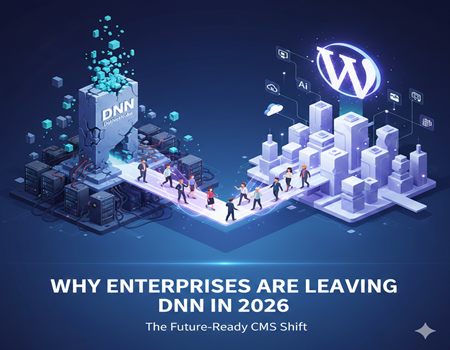
In the early 2010s, DNN (DotNetNuke) was considered a strong and reliable content management system for enterprises operating within the Microsoft ecosystem. It offered structured role-based access, solid security controls, and an architecture that aligned well with traditional enterprise IT setups. For years, many large organizations relied on DNN to power corporate websites, intranets, and complex digital portals.
However, by 2026, enterprise expectations from digital platforms have changed dramatically. Websites are no longer static information hubs; they are growth engines that support marketing automation, personalization, performance marketing, integrations, and rapid experimentation. Enterprises now demand flexibility, speed, scalability, and cost efficiency—all at once.
As digital transformation accelerates, many organizations are realizing that DNN struggles to keep up with modern content demands. High maintenance costs, limited flexibility, slower innovation cycles, and dependency on specialized resources are pushing enterprises to reassess their CMS choices. This is why 2026 is becoming a clear turning point, with enterprises actively moving away from DNN in favor of more agile and future-ready platforms.
What Is DNN and Why Enterprises Once Trusted It
DNN, originally known as DotNetNuke, is a CMS built on the Microsoft .NET framework. It was designed with enterprise-level governance, modular architecture, and strong permission controls. During its peak adoption years, DNN offered organizations a structured way to manage large websites with multiple users and strict access rules.
Enterprises trusted DNN primarily because it aligned well with internal IT environments already invested in Microsoft technologies. It supported Windows hosting, SQL Server databases, and offered granular control over content permissions. For compliance-heavy industries, these features were attractive.
At the time, marketing teams were less dependent on rapid content updates, and digital experiences were relatively static. In that context, DNN worked well. But as digital channels evolved and customer expectations grew, the limitations of DNN became increasingly apparent—especially for enterprises needing speed, innovation, and adaptability.
Rising Maintenance and Development Costs
One of the biggest reasons enterprises are leaving DNN in 2026 is cost. Maintaining a DNN-based website has become increasingly expensive over time. Enterprises often need specialized .NET developers who understand the platform deeply, and such resources are neither easy to find nor affordable.
Routine updates, module compatibility checks, security patches, and performance optimizations require ongoing developer involvement. Even minor enhancements can turn into costly development tasks. In contrast, modern CMS platforms allow many changes to be handled by non-technical teams, reducing dependency on developers.
Additionally, many advanced DNN modules come with licensing fees, and upgrading versions often involves rework or re-testing of existing functionality. For enterprises operating multiple digital properties, these costs add up quickly. By 2026, organizations are prioritizing CMS platforms that offer better ROI, predictable maintenance costs, and faster turnaround times.
Limited Flexibility in Modern Digital Experiences
Today’s enterprise websites must evolve constantly. Landing pages change weekly, design updates are frequent, and personalization is becoming a standard expectation. DNN’s architecture makes rapid experimentation difficult, as even simple UI or layout changes may require developer involvement.
Marketing teams often find themselves constrained by rigid templates and workflows. Implementing modern design trends, interactive components, or headless CMS capabilities is far more complex in DNN compared to newer platforms.
This lack of flexibility slows down go-to-market strategies. Enterprises competing in fast-moving industries cannot afford delays caused by technical bottlenecks. As a result, many organizations are choosing CMS solutions that empower marketers to move faster without compromising governance or brand consistency.
Performance, Scalability, and Hosting Challenges
Performance is critical for enterprise websites, especially those handling high traffic volumes across multiple regions. DNN’s infrastructure requirements tend to be heavier, often requiring complex server configurations and careful performance tuning.
Scaling DNN websites for traffic spikes or global audiences can be challenging and costly. Hosting environments are typically more rigid, making cloud optimization harder compared to modern CMS platforms that are cloud-native or cloud-friendly.
Enterprises in 2026 are prioritizing performance, uptime, and scalability as non-negotiable requirements. Platforms that allow seamless scaling, optimized caching, and simpler hosting architectures are becoming the preferred choice, pushing DNN further down the list.
Content Management Complexity for Non-Technical Teams
A major drawback of DNN is its usability for non-technical users. Content editors often face a steep learning curve, and simple tasks like layout adjustments or content structuring can feel cumbersome.
Marketing and communications teams want autonomy. They need to launch campaigns, publish content, and optimize pages without waiting for development cycles. With DNN, this independence is limited, creating friction between technical and non-technical teams.
By 2026, enterprises are recognizing that CMS usability directly impacts productivity. Platforms that offer intuitive interfaces, visual editing, and flexible workflows are enabling teams to work faster and more efficiently—something DNN struggles to provide.
Slower Innovation and Smaller Ecosystem
Innovation in a CMS ecosystem is driven by its community, plugins, integrations, and third-party support. Compared to modern platforms, DNN’s ecosystem is relatively small and slower to evolve.
There are fewer integrations available for marketing automation, analytics, CRM systems, and personalization tools. Custom development is often required to bridge gaps, increasing time and cost.
Enterprises want CMS platforms that evolve continuously and integrate easily with emerging technologies. In 2026, the slower pace of innovation around DNN is a key factor driving organizations to look elsewhere.
Security, Compliance, and Update Concerns
Security remains a priority for enterprises, but how security is managed matters just as much as the features themselves. DNN updates and patches often require manual effort, careful testing, and planned downtime.
Delayed updates increase risk, especially when security vulnerabilities are publicly disclosed. Enterprises operating in regulated industries also face compliance challenges when updates are not straightforward.
Modern CMS platforms are adopting proactive security models with automated updates, managed hosting, and continuous monitoring. This shift is making DNN feel outdated in terms of operational security efficiency.
Why Enterprises Are Choosing WordPress Instead
WordPress has evolved far beyond its blogging origins. In 2026, it is a mature, enterprise-capable CMS powering large-scale corporate websites, media platforms, and global brands.
Its open-source nature offers flexibility without vendor lock-in. Enterprises benefit from a massive ecosystem of plugins, integrations, and developer support. Content teams enjoy intuitive editing experiences, while developers can build highly customized solutions.
WordPress also supports headless architectures, multilingual sites, performance optimization, and enterprise-grade security when implemented correctly. Faster deployment cycles and lower total cost of ownership make it an attractive alternative for organizations leaving DNN.
DNN vs WordPress: Enterprise CMS Comparison
| Feature | DNN | WordPress |
|---|---|---|
| Ease of Use | Developer-heavy | User-friendly |
| Flexibility | Limited | Highly flexible |
| Ecosystem | Smaller | Massive |
| Cost Efficiency | High maintenance | Lower TCO |
| Scalability | Complex | Cloud-friendly |
This comparison highlights why enterprises in 2026 are shifting priorities. While DNN served well in the past, WordPress aligns better with modern enterprise needs for speed, flexibility, and innovation.
Migration Considerations for Enterprises
Migrating from DNN requires careful planning. Enterprises must ensure content integrity, SEO preservation, security, and minimal downtime. Mapping custom features and workflows is critical to avoid disruption.
This is where a structured approach matters. Many organizations choose a specialized DotNetNuke To WordPress Migration Service to ensure data accuracy, performance optimization, and a smooth transition without impacting business operations.
Proper migration planning allows enterprises to modernize confidently while protecting their digital assets.
When Is the Right Time to Leave DNN?
If your organization is facing rising costs, slow content workflows, limited flexibility, or scalability issues, it may be time to reconsider DNN. Enterprises aiming for growth, personalization, and faster digital execution often find DNN restrictive.
The right time to migrate is before technical debt becomes a bottleneck. Proactive migration helps organizations stay competitive rather than reacting under pressure.
Conclusion: Future-Ready CMS Decisions in 2026
In 2026, enterprises are not abandoning DNN because it failed—they are moving on because digital expectations have evolved. Flexibility, speed, cost efficiency, and innovation now define successful enterprise platforms.
Choosing a future-ready CMS is a strategic decision, not just a technical one. Enterprises that embrace modern platforms position themselves for growth, agility, and long-term success in an increasingly competitive digital landscape.